Back Garden Watering Guide
A practical step-by-step guide to back garden watering guide, including preparation, instructions, common issues, tips, and next steps.
Back Garden Watering Guide
A practical, step-by-step guide to watering a back garden effectively, covering how to assess soil moisture, choose the right time, apply water correctly, and adjust for weather and plant needs. It includes tips for conserving water, avoiding common mistakes, and keeping your garden healthy through a simple routine that works for most backyard spaces.
Fast Answer
- Water deeply and less often, aiming for about 2.5 cm (1 inch) of water per week, including rainfall.
- Water in the early morning (before 10 a.m.) to reduce evaporation and allow leaves to dry, which helps prevent fungal diseases.
Before You Start
- Check your soil type by squeezing a handful of moist soil: sandy soil falls apart, clay forms a sticky ball, and loam holds together loosely. This tells you how quickly water drains, so you can adjust how often you water.
- Gather a rain gauge or a straight-sided container (like a tuna can) to measure how much water you apply. Place it in the garden while watering to gauge the depth.
- Inspect your watering equipment: connect hoses, check for leaks, and clean nozzles. Ensure your watering can or hose reaches all areas without stretching or kinking.
- Look up your local water restrictions and any watering schedules from your municipality or water provider. These rules may limit when you can water, so plan your routine to comply.
Step-by-Step Instructions
Assess Soil Moisture Before You Water
Before you even pick up a hose or watering can, check whether your plants actually need water. Push a finger or a clean trowel into the soil near the base of a plant, about 5 centimeters deep. If the soil feels cool and moist, skip watering for now; if it feels dry, it's time to water. To see deeper, use a soil probe or a long screwdriver—if it pushes in easily, the soil is moist; if it meets resistance, it's dry below. This simple check prevents overwatering, which can suffocate roots and lead to rot, and underwatering, which stresses plants. Because soil moisture varies by location, check a few spots in your garden, not just one. Sunny slopes dry faster than shady corners, so adjust your schedule based on what you find. This step is the foundation of a good watering routine, ensuring you give water only when needed, saving water and keeping plants healthy.
Choose the Best Time of Day to Water
The ideal time to water your garden is early morning, between 5 a.m. and 10 a.m. At this time, temperatures are cooler, winds are calmer, and the sun is low, so water has a chance to soak into the soil before evaporating. Watering in the morning also allows foliage to dry quickly as the day warms, which helps prevent fungal infections like powdery mildew. If you can't water in the morning, the next best option is late afternoon, around 4 p.m. to 6 p.m., giving plants time to dry before nightfall. Avoid watering in the heat of midday because as much as 30% of water is lost to evaporation, and avoid evening watering because leaves that stay wet overnight are more susceptible to disease. By choosing the right time, you maximize water absorption, reduce waste, and keep your plants healthier. Consistency is also key—try to water at roughly the same time each day to establish a routine that works for your garden's needs.
Water Deeply and Less Frequently
When you do water, apply enough water to moisten the soil to a depth of at least 15 to 20 centimeters, which encourages roots to grow downward, creating more resilient plants. Shallow watering—just wetting the surface—leads to shallow root systems that dry out quickly and make plants more vulnerable to drought. To achieve deep watering, use a slow, steady stream from a hose or a soaker hose, and move it around the base of each plant until the water has penetrated deeply. A way to measure is to place a container like an empty tuna can in the watering area; when it has collected about 2.5 centimeters of water, you've applied roughly the right amount for that spot, though you may need more for sandy soil or less for clay. Deep watering encourages roots to go deeper, making your garden more drought-tolerant and reducing the frequency of watering. It's better to water thoroughly once a week than to give a light sprinkle every day.
Focus on Plant Roots, Not Leaves
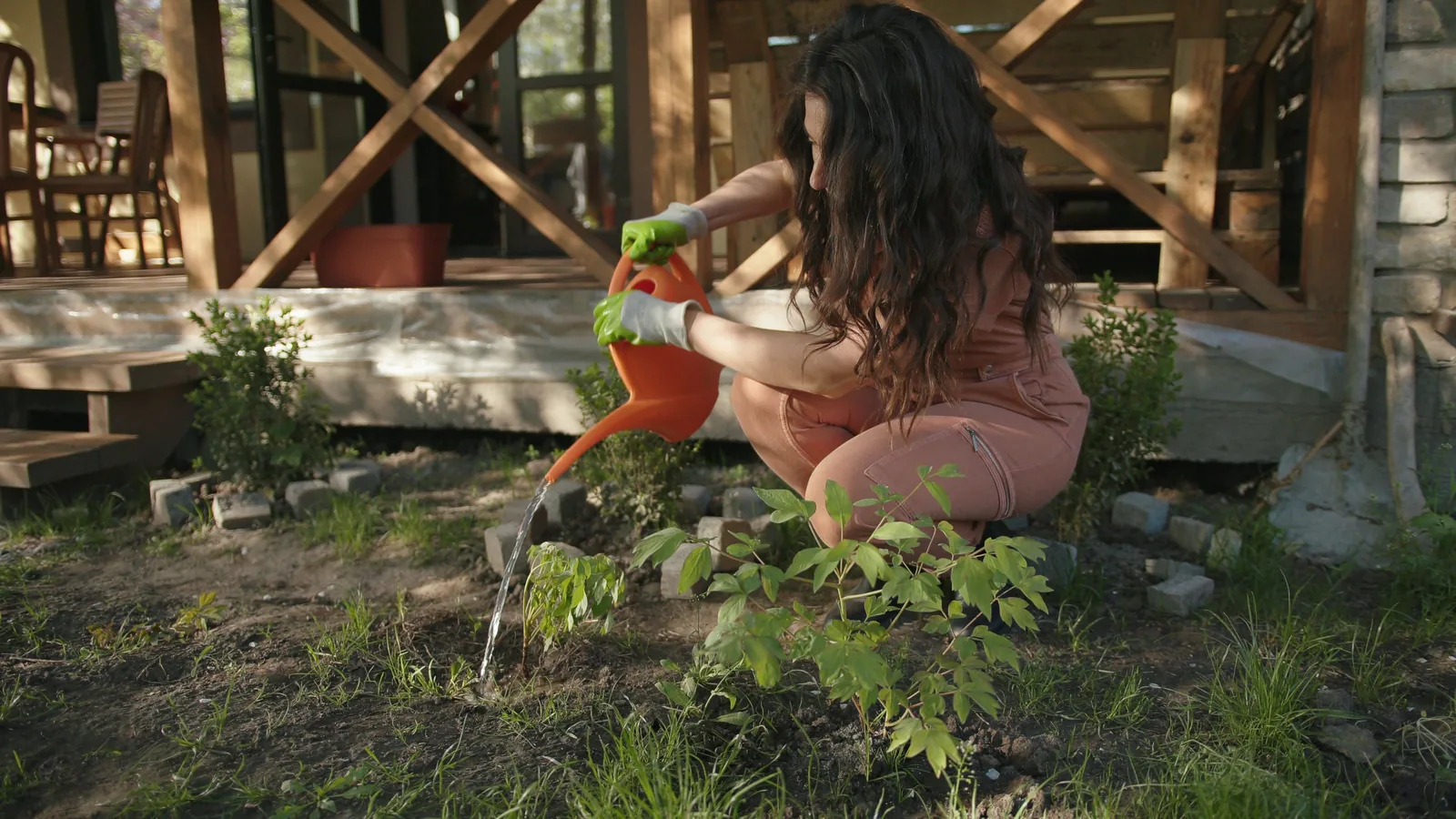
Direct water to the root zone of plants, not onto the foliage. The roots are the parts that absorb water, so wetting leaves is wasteful and can promote disease. To water efficiently, place the end of your hose or watering can at the base of each plant, letting the water soak into the soil around the stem. For garden beds, consider using a soaker hose laid along the row, which releases water slowly along its length, wetting the soil evenly without wetting leaves. If you use a sprinkler, try to water early in the day so leaves dry quickly, and ensure the spray reaches the root zone, not just the top of the plant. For potted plants, water until it runs out the drainage holes, ensuring the entire root ball is wet. By keeping the leaves dry, you reduce the risk of fungal diseases like leaf spot and blight, and you make the most efficient use of water—every drop goes to where it's needed. This simple practice also saves water, as less is lost to evaporation from leaf surfaces.
Mulch to Retain Soil Moisture
After watering, apply a layer of organic mulch, such as wood chips, straw, or shredded leaves, around your plants. Spread the mulch about 5 to 8 centimeters thick, but keep it a few centimeters away from plant stems to prevent rot. Mulch acts as a blanket over the soil, reducing evaporation by shading the soil and blocking wind. It also helps regulate soil temperature, keeping roots cooler in summer and warmer in winter, and it suppresses weeds that compete for water. As the mulch breaks down, it improves soil structure, increasing its ability to hold water. This means you can water less often because the soil stays moist longer. To check if your mulch is working, lift a small patch after a few days: the soil underneath should be cool and damp. If the soil is dry, you may need to water more deeply or add more mulch. Applying mulch in late spring and replenishing it as it decomposes will keep your garden efficient and healthy.
Adjust for Seasonal and Weather Changes
Your garden's water needs change with the seasons and the weather. During hot, dry spells, you may need to water more frequently, while cool, cloudy periods require less. Check the weather forecast regularly and adjust your watering schedule accordingly. If rain is expected, skip watering and let nature do the job. If a heatwave hits, monitor your plants for signs of stress—wilting leaves, dull color, or crispy edges—and water more often if needed. In autumn, as temperatures drop and plants go dormant, reduce watering gradually to help them harden off. In winter, most gardens need very little supplemental water, except for container plants that may dry out in sheltered spots. Always base your decisions on observed conditions, not a fixed calendar. Use a rain gauge to track rainfall, and check soil moisture regularly. By staying flexible, you avoid both overwatering and underwatering, ensuring your plants get the right amount at the right time, saving water and promoting a healthier garden.
Quick Reference
| Situation | Action | Why it helps |
|---|---|---|
| Soil is dry at 5 cm depth and it's a sunny morning. | Water deeply at the base of each plant using a hose or watering can, aiming for 2.5 cm of water per week. | Dry soil indicates the plant is ready for water; deep watering encourages strong root growth. |
| The top inch of soil feels moist but the forecast predicts a heatwave. | Add a 5-8 cm layer of mulch around plants to retain moisture, and water early in the morning to prepare for the heat. | Mulch reduces evaporation and keeps roots cooler, helping plants withstand heat stress. |
| Leaves are wilting at midday even though soil is moist. | Check for root issues or overwatering; reduce watering frequency and improve soil drainage if needed. | Wilting with moist soil can indicate root rot or compacted soil; less frequent watering encourages deeper roots. |
Common Issues
- Overwatering causes yellow leaves and root rot.: Let the soil dry out between waterings, use a moisture meter or finger test, and ensure pots have drainage holes. If root rot is severe, remove affected plants and improve soil drainage.
- Uneven watering leaves dry patches in the garden.: Check that your hose or sprinkler covers all areas, move any obstacles, and water longer at a slower rate. Use a soaker hose to provide even distribution.
- Water runs off the surface instead of soaking in.: Break up the soil surface with a fork, add organic matter like compost, and create small basins or terraces to slow water. Water in shorter bursts to allow penetration.
Advanced Tips
- Install a drip irrigation system with a timer to deliver water slowly to the root zone, reducing waste and saving time.
- Group plants with similar water needs together, such as drought-tolerant plants in one area and moisture-lovers in another, so you can water zones appropriately.
- Use a moisture sensor or smart controller that adjusts watering based on rainfall and soil moisture, ensuring optimal irrigation.
Final Checklist
- Check the soil moisture at the base of plants before watering to ensure you're not overwatering.
- Water early in the morning or late afternoon to reduce evaporation and disease risk.
- Apply mulch around plants to retain moisture and suppress weeds, keeping it away from stems.
- Monitor weather forecasts and adjust your watering frequency based on rainfall and temperature changes.
FAQ
How can I tell if my plants are getting too much water?
Look for signs like yellowing leaves, wilting even though soil is wet, or a musty smell from the soil. Check the soil moisture: if it feels soggy or is constantly wet, you're overwatering. To fix it, reduce watering frequency, improve drainage, and allow the soil to dry out a bit between waterings.
Should I water every day in hot weather?
Not necessarily. Instead of watering daily, water deeply every 3-4 days during hot weather, adjusting based on soil moisture and plant signs. Frequent shallow watering encourages shallow roots and waste. Check the soil: if it's dry at 5 cm deep, water thoroughly.
What's the best way to water a vegetable garden?
Vegetables need consistent moisture, so water deeply at the base, preferably in the morning, to keep leaves dry and prevent disease. Use a soaker hose to deliver water slowly to the soil, and mulch around plants to retain moisture. Adjust based on plant types and weather.