Back Garden Planting Guide
A practical step-by-step guide to back garden planting guide, including preparation, instructions, common issues, tips, and next steps.
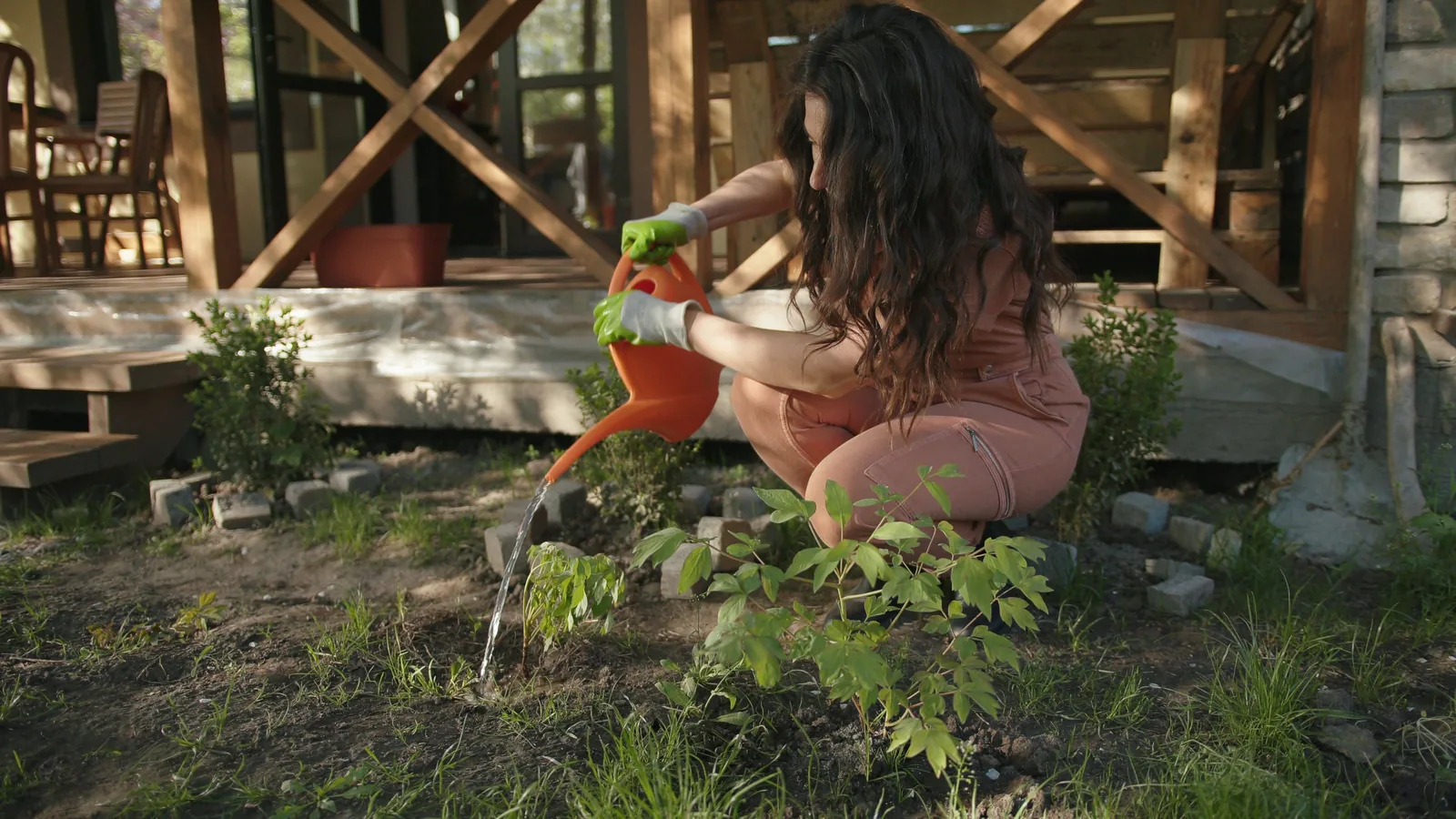
Back Garden Planting Guide
This guide gives you a clear, season-by-season approach to planting a backyard garden, from choosing a sunny spot and preparing healthy soil to selecting plants, planting them correctly, and caring for them as they grow. You'll learn practical steps for watering, feeding, and protecting your plants, plus solutions for common problems like pests and poor drainage. By following this guide, you can create a productive and enjoyable garden space even if you're a beginner.
Fast Answer
- Choose a spot that gets at least six hours of direct sunlight each day, then test and improve your soil with compost before planting.
- Start with easy-to-grow plants like lettuce, radishes, and marigolds, water them consistently, and keep an eye out for pests so you can enjoy a successful harvest.
Before You Start
- Pick a location in your yard that receives at least six to eight hours of direct sunlight, as most vegetables and flowers need this to grow well.
- Remove any grass, weeds, rocks, or debris from the area, and loosen the soil to a depth of about 12 inches using a shovel or garden fork.
- Test your soil's pH and nutrient levels with a home test kit, then add compost or well-rotted manure to improve texture and fertility.
- Gather basic tools like a trowel, garden gloves, a watering can or hose, and a rake, and consider installing a simple irrigation system if you travel often.
Step-by-Step Instructions
Choose the Right Spot
Pick a location in your backyard that gets plenty of sunlight, ideally at least six hours of direct sun each day. Most vegetables and flowering plants need this energy to produce food and blooms. Watch the area during the day to see how the sun moves, and notice if trees, fences, or buildings cast shadows. Also consider wind exposure; a spot that is too exposed might dry out your soil quickly. Avoid low-lying areas where water pools, because soggy roots can rot. Once you have a candidate spot, do a simple soil test: squeeze a handful of moist soil; if it forms a ball that crumbles easily, the texture is good. If it stays in a sticky clump or falls apart, you will need to amend it. This step sets the foundation for everything else, so take your time to choose wisely.
Prepare Your Soil Properly
Good soil is the secret to a thriving garden. Start by removing any grass, weeds, and large stones from your chosen spot. Use a shovel or a garden fork to loosen the soil to a depth of about 12 inches, breaking up clumps. Then spread a 2- to 3-inch layer of compost or well-rotted manure over the surface and mix it in thoroughly. This adds organic matter, improves drainage, and provides nutrients. If your soil is very sandy or heavy clay, adding compost is even more important. After mixing, level the soil with a rake and let it settle for a few days before planting. You can also do a simple pH test with a kit from a garden center; most plants prefer a slightly acidic to neutral pH between 6.0 and 7.0. If your pH is off, you can adjust it with lime to raise it or sulfur to lower it, following package directions. Healthy soil encourages strong roots and reduces the need for synthetic fertilizers.
Plan Your Garden Layout
Before you dig holes, sketch a simple plan on paper. Decide what you want to grow and how much space each plant will need. Tall plants like tomatoes or sunflowers should go on the north side so they don't shade shorter plants. Place trailing plants like cucumbers or squash near the edges so they can spread out. Group plants with similar water and sun needs together to make care easier. Also think about companion planting: for example, basil near tomatoes can improve their flavor and help repel insects. Consider using raised beds if you have poor soil or limited space; they provide better drainage and make weeding easier. You can also use containers for herbs and salad greens. Plan for paths between rows so you have access for watering and harvesting. Leave extra space for airflow to reduce disease. A thoughtful layout prevents overcrowding and ensures each plant gets the light, water, and nutrients it needs.
Select Easy-to-Grow Plants
For a first-time garden, choose plants that are known to be forgiving and productive. Leafy greens like lettuce, spinach, and arugula grow quickly and can be harvested multiple times. Root vegetables like radishes and carrots are also easy and don't take much space. Herbs like basil, parsley, and chives thrive in pots or garden beds and add flavor to your meals. If you want to try something more challenging, consider tomatoes, peppers, or zucchini, but remember they need consistent care. When buying seeds or plants, check the tag for the days to maturity and the final size so you know what to expect. Local nurseries often stock varieties suited to your area's climate. You can also ask neighbors or local gardening groups for recommendations. Starting with easy plants builds your confidence and provides early satisfaction, which encourages you to keep going throughout the season.
Plant Your Seedlings Correctly
Once your soil is ready and your plants are chosen, it's time to plant. For seeds, follow the depth and spacing instructions on the packet, usually about two to three times the seed's width. For seedlings from pots, dig a hole slightly larger than the root ball, gently remove the plant, and place it in so the top of the root ball is level with the soil surface. Firm the soil around the base and water thoroughly to settle the soil. Water immediately after planting to reduce transplant shock. If you are planting in a row, use a string or a ruler to keep it straight. For seeds that need warmth, like beans or corn, wait until the soil temperature has risen. Check if you need to thin seedlings once they come up; overcrowded plants compete for nutrients and light. Proper planting ensures good root contact and gives your young plants the best start.
Water and Mulch Regularly
Consistent moisture is essential for healthy growth. Water newly planted seeds and seedlings gently but deeply, keeping the soil evenly moist but not waterlogged. As plants mature, they need about one inch of water per week, either from rain or from your watering. It's better to water deeply less often than to sprinkle lightly every day; deep watering encourages roots to grow deeper. The best time to water is early morning, so leaves have time to dry and reduce disease risk. Use a soaker hose or drip irrigation to deliver water directly to the soil, minimizing evaporation and keeping foliage dry. After planting, apply a 2-3 inch layer of organic mulch like straw, wood chips, or shredded leaves around your plants. Mulch conserves moisture, suppresses weeds, and keeps the soil temperature stable. Check soil moisture by pushing your finger an inch deep; if it feels dry, water. Consistent care will keep your plants thriving.
Quick Reference
| Situation | Action | Why it helps |
|---|---|---|
| You notice the leaves of your tomato plants are turning yellow and the plants look stunted. | Check the soil moisture by sticking your finger an inch deep; if it's dry, water deeply, and if it's soggy, reduce watering. Also, apply a balanced fertilizer following package instructions. | Yellowing leaves often indicate overwatering, underwatering, or a nutrient deficiency. Addressing the root cause helps the plant recover and produce healthy fruit. |
| You see holes in the leaves of your cabbage and other leafy greens, with small green worms visible. | Handpick the caterpillars and drop them in soapy water, then inspect undersides of leaves for eggs and crush them. Apply an organic insecticidal soap or neem oil spray to the plants. | Caterpillars are common pests that can quickly destroy your crops. Early removal prevents widespread damage and keeps your plants healthy. |
| Your garden plants are growing tall and leggy, with thin stems and few leaves, and they seem to reach toward one side. | Move your plants to a sunnier spot if they are in planters, or prune back some nearby branches that might be shading them. For indoor starts, place them under grow lights and gradually expose them to outdoor sun. | Leggy growth happens when plants don't get enough light, causing them to stretch. Ensuring adequate light helps them grow sturdy and strong. |
Common Issues
- Poor drainage leading to waterlogged soil and root rot: Improve drainage by mixing in plenty of coarse organic matter like compost or well-rotted leaves. If the area still stays soggy, consider installing a French drain or building raised beds to elevate the roots.
- Weeds stealing nutrients and water from your plants: Mulch heavily with a 3-inch layer of straw or wood chips to suppress weeds. Pull weeds by hand when they are small, or use a hoe to cut them off at the soil line. Avoid letting weeds go to seed.
- Pests like aphids or slugs damaging your plants: Encourage beneficial insects like ladybugs by planting dill and fennel. For slugs, set out beer traps or use barriers like copper tape. Spray aphids off with a strong jet of water, or use insecticidal soap.
Advanced Tips
- Practice crop rotation each year by not planting the same family of plants in the same spot for at least two years. This helps prevent disease and nutrient depletion.
- Make your own compost tea by steeping a bag of compost in water for a day, then use it to water your plants. This provides a gentle nutrient boost and improves soil biology.
- Use row covers to extend your growing season in spring and fall. They protect plants from frost and pests while letting light and water in.
Final Checklist
- Choose a sunny location that receives at least six hours of direct sunlight each day.
- Test the soil pH and amend it with compost or other organic matter to create a loose, fertile bed.
- Select a mix of easy-to-grow plants like lettuce, radishes, and herbs, and plant them according to spacing and depth guidelines.
- Water consistently, apply mulch to retain moisture, and monitor for bugs using organic methods.
FAQ
How often should I water my garden plants?
Most garden plants need about one inch of water per week from rainfall or supplemental watering. Instead of giving a little water every day, water deeply and less frequently—two to three times a week—to encourage deep root growth. Always check the soil moisture by sticking your finger an inch deep; if it feels dry, it's time to water. Adjust this schedule based on hot, dry weather and the specific needs of your plants.
What are the easiest vegetables for a beginner to grow?
Some of the easiest vegetables for beginners include lettuce, radishes, green beans, and zucchini. These plants germinate quickly and are forgiving if you make minor mistakes. Herbs like basil and chives are also easy and grow well in containers. Choose varieties that are suited to your climate and be sure to provide them with full sun and well-drained soil. Starting with these will help you gain confidence.
How do I know if my soil is healthy before planting?
Healthy soil is dark, crumbly, and full of organic matter. You can do a simple test: squeeze a handful of moist soil; if it forms a ball that crumbles easily, it's in good shape. Also, look for earthworms, which are a sign of a healthy soil ecosystem. For a more detailed analysis, use a home soil test kit that measures pH and nutrient levels. Based on the results, you can add compost, lime, or sulfur to create the best environment for your plants.