Back Garden Maintenance Checklist
A practical step-by-step guide to back garden maintenance checklist, including preparation, instructions, common issues, tips, and next steps.
Back Garden Maintenance Checklist
A practical, season-by-season approach to keeping a back garden healthy, tidy, and enjoyable. This guide covers preparation, core tasks, common pitfalls, and advanced tips to help you build a sustainable maintenance routine that fits your space, climate, and available time.
Fast Answer
- Start by walking your garden and noting what needs attention, then gather basic tools like a rake, pruners, and a spade before you begin working.
- Focus on the three pillars of garden care: soil health, plant care, and cleanliness. Tackle them in that order to build a strong foundation for the whole season.
Before You Start
- Inspect your garden area thoroughly, noting overgrown plants, bare patches, and any damage to fences, paths, or borders that may need repair.
- Gather essential tools: a sturdy rake, sharp pruning shears, a spade or fork, a watering can or hose, and gloves to protect your hands.
- Check your local weather forecast and soil moisture. Avoid working when the ground is waterlogged or frozen, as this can compact soil and harm plant roots.
- Plan your tasks by priority, separating urgent safety or structural issues from routine maintenance like weeding, pruning, and edging.
Step-by-Step Instructions
Clear and Tidy the Garden Floor
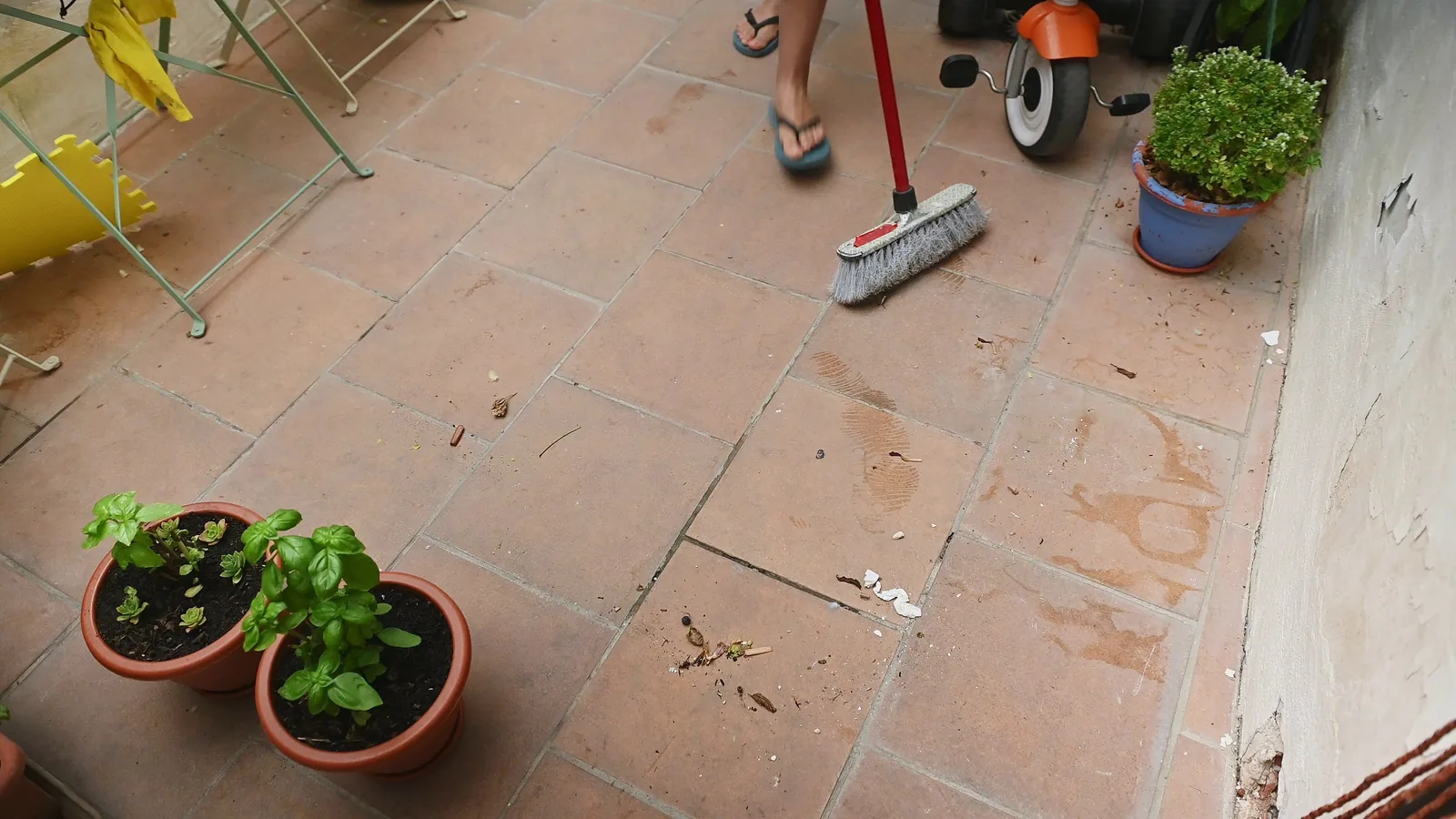
Begin by removing debris such as fallen branches, dead leaves, and litter from the lawn and flower beds. Use a rake to gather leaves and a trowel to extract weeds with their roots. This initial cleanup gives you a clear view of the garden's condition and prevents pests and diseases from hiding in decaying material. It also makes it easier to spot issues like broken paving or damaged fencing that need repair. Take care not to disturb dormant bulbs or emerging shoots. After clearing, check for any sharp objects or hazardous items, especially if you have children or pets. This step sets a clean slate for all subsequent work, and the physical activity helps you notice areas that need more intensive care. Finally, compost healthy plant waste if you have a bin, but dispose of diseased material away from the garden to avoid spreading pathogens.
Test and Improve Your Soil
Healthy soil is the foundation of a thriving garden. After clearing, test a small sample of soil from different areas to check its texture, drainage, and pH. You can do a simple jar test: put soil in a jar, add water, shake, and let it settle. Layers of sand, silt, and clay show the composition. For pH, use a home kit or send a sample to a local extension service. The ideal pH for most plants is between 6.0 and 7.0, but some plants prefer more acidic or alkaline conditions. Based on the results, adjust your soil. For example, add compost to improve structure, sulfur to lower pH, or lime to raise it. Also, check drainage by digging a small hole, filling it with water, and seeing how fast it drains. If water lingers longer than 24 hours, you may need to improve drainage with organic matter or raised beds. This step ensures that your plants have access to essential nutrients and water.
Prune and Trim Overgrown Plants
Pruning is essential for plant health, shape, and productivity. Start by removing dead, damaged, or diseased branches, cutting back to a healthy bud or the main stem. For flowering shrubs, consider their bloom time: spring bloomers like lilac should be pruned immediately after flowering, while summer bloomers can be pruned in early spring. Use clean, sharp pruners for small branches and loppers for larger ones. Make cuts at a 45-degree angle just above an outward-facing bud to encourage open growth. Remove any crossing branches that might rub and create wounds. For hedges, trim them into a slightly tapered shape so lower branches receive sunlight. Also, prune overgrown trees carefully to maintain a safe structure. Regular pruning not only improves aesthetics but also increases air circulation, reducing the risk of fungal diseases. It also directs energy to the healthiest parts of the plant, promoting vigorous new growth.
Feed and Mulch Your Beds
After pruning, it's time to nourish your plants. Apply a balanced, slow-release fertilizer according to the needs of your specific plants, following the package instructions for dosage and application method. For established beds, a top-dressing of compost acts as a gentle fertilizer and improves soil structure. Work the compost into the top few inches of soil without disturbing roots. Then, apply a layer of organic mulch, such as wood chips, straw, or shredded bark, around your plants, keeping it a few inches away from stems to prevent rot. Mulch helps retain soil moisture, suppresses weeds, moderates soil temperature, and gradually breaks down to add nutrients. This step also gives your garden a tidy, finished appearance. Remember to water thoroughly after fertilizing to help nutrients reach the root zone. For potted plants, use a diluted liquid fertilizer every few weeks during the growing season.
Mow and Edge Your Lawn
A well-kept lawn enhances the whole garden. Set your mower blades to the correct height for your grass type. As a general rule, never cut more than one-third of the grass blade at a time. Keep the cutting height higher in hot, dry periods to protect the roots from stress and encourage deeper growth. Mow in different directions each time to prevent flattening and rutting. After mowing, use a string trimmer or manual edging tool to create clean lines along paths, driveways, and flower beds. This not only looks neat but also prevents grass from invading beds. Additionally, consider leaving grass clippings on the lawn as they quickly decompose and return nitrogen to the soil. If you have a compost pile, you can add excess clippings, but avoid using clippings from a lawn treated with weed killer. Regular mowing also helps control weeds by preventing them from seeding.
Water Wisely and Monitor Growth
Consistent watering is crucial, but overwatering can be as harmful as under-watering. Water deeply and less frequently to encourage deep root growth. Early morning is the best time because less water evaporates, and the leaves have time to dry, reducing fungal risks. Use a moisture meter or simply push your finger into the soil. If it feels dry an inch below the surface, it's time to water. For new plantings, water more often until established. Adjust your watering based on rainfall and weather, and always follow local regulations on watering restrictions. After watering, take a walk through the garden to observe new growth, check for pests or diseases, and note any plants that need attention. This ongoing monitoring helps you catch problems early. Keep a simple garden journal to record what works and what doesn't, so you can refine your routine each season.
Quick Reference
| Situation | Action | Why it helps |
|---|---|---|
| Yellowing leaves on plants, but soil feels moist. | Check drainage by digging down and feeling for soggy soil. If it's waterlogged, mix in organic compost or move the plant to a raised bed. | Yellow leaves often indicate root rot caused by poor drainage, and improving soil structure or relocation helps roots breathe and recover. |
| Lawn has bare patches after winter, especially in high-traffic areas. | Loosen the soil in bare spots with a rake, add a thin layer of quality topsoil and grass seed, then water gently and keep moisture until germination. | Overseeding gives new grass a chance to establish, filling gaps and preventing weeds from taking hold in the bare soil. |
| Weeds keep coming back in flower beds despite regular pulling. | Apply a thick layer of organic mulch, about 3-4 inches deep, after weeding. Also consider using a weed barrier fabric under the mulch, but only in areas without active plant runners. | Mulch blocks light, preventing weed seeds from sprouting, and the physical barrier slows weed growth, reducing maintenance. |
Common Issues
- Fungal disease on plant leaves, such as black spots or powdery mildew.: Remove affected leaves and improve air circulation by spacing plants and pruning dense areas. Water at the base, avoid overhead watering, and apply a fungicide only if necessary, following label instructions.
- Pests like aphids or caterpillars damaging new growth.: Use a strong stream of water to knock off minor infestations, and encourage beneficial insects like ladybugs. For severe cases, apply an insecticidal soap or neem oil according to directions, and reapply as needed.
- Soil becomes compacted, leading to poor water infiltration and stunted growth.: Reduce foot traffic in planting areas. Aerate the lawn with a core aerator, and add organic matter like compost to beds. Also, avoid working soil when it's wet, and use raised beds if compaction is persistent.
Advanced Tips
- Incorporate native plants that are adapted to your local climate and soil. They require less water, fertilizer, and maintenance, and they support local pollinators and wildlife.
- Set up a drip irrigation system with a timer to deliver water directly to the root zone, reducing waste and disease risk while saving you time.
- Create a compost system with a mix of green (nitrogen-rich) and brown (carbon-rich) materials. Monitor moisture and turn regularly to produce nutrient-rich compost for your garden.
Final Checklist
- Check that all paths and patios are clear of debris and moss, and that fences, gates, and trellises are secure and in good repair.
- Verify that your watering system is working properly, hoses are without leaks, and timers are set according to seasonal needs.
- Review plant labels for sun and water requirements, and confirm that each plant is placed in a suitable spot in your garden.
- Take a final walk around, looking for any sign of pests, disease, or unhealthy growth, and note any tasks you'll need to do next month.
FAQ
How often should I mow my lawn in the summer?
During vigorous growth, you may need to mow every 5-7 days, but the frequency depends on grass type and rainfall. The key is to follow the one-third rule: never remove more than a third of the leaf blade at once. If you miss a mowing and the grass is tall, mow at a higher setting, then gradually lower it over the next few sessions.
What is the best way to control weeds without chemicals?
The most effective chemical-free method is consistent hand pulling, especially after rain when the soil is moist and roots come out easily. Additionally, applying a 3-4 inch layer of organic mulch prevents weed seeds from germinating. For cracks in paths or driveways, use a flame weeder or pour boiling water—repeat as needed.
My plants look unhealthy despite watering and feeding. What could be the cause?
Several factors could be at play: check for poor drainage, wrong amount of sunlight, pest infestations, or soil imbalances. Test your soil pH and nutrient levels, and inspect plants closely for signs of insects or disease. Also, consider whether you are over- or under-watering. If the problem persists, ask a local garden center or extension service for advice tailored to your specific plants and region.