Small Garden Maintenance Checklist
A practical step-by-step guide to small garden maintenance checklist, including preparation, instructions, common issues, tips, and next steps.
Small Garden Maintenance Checklist
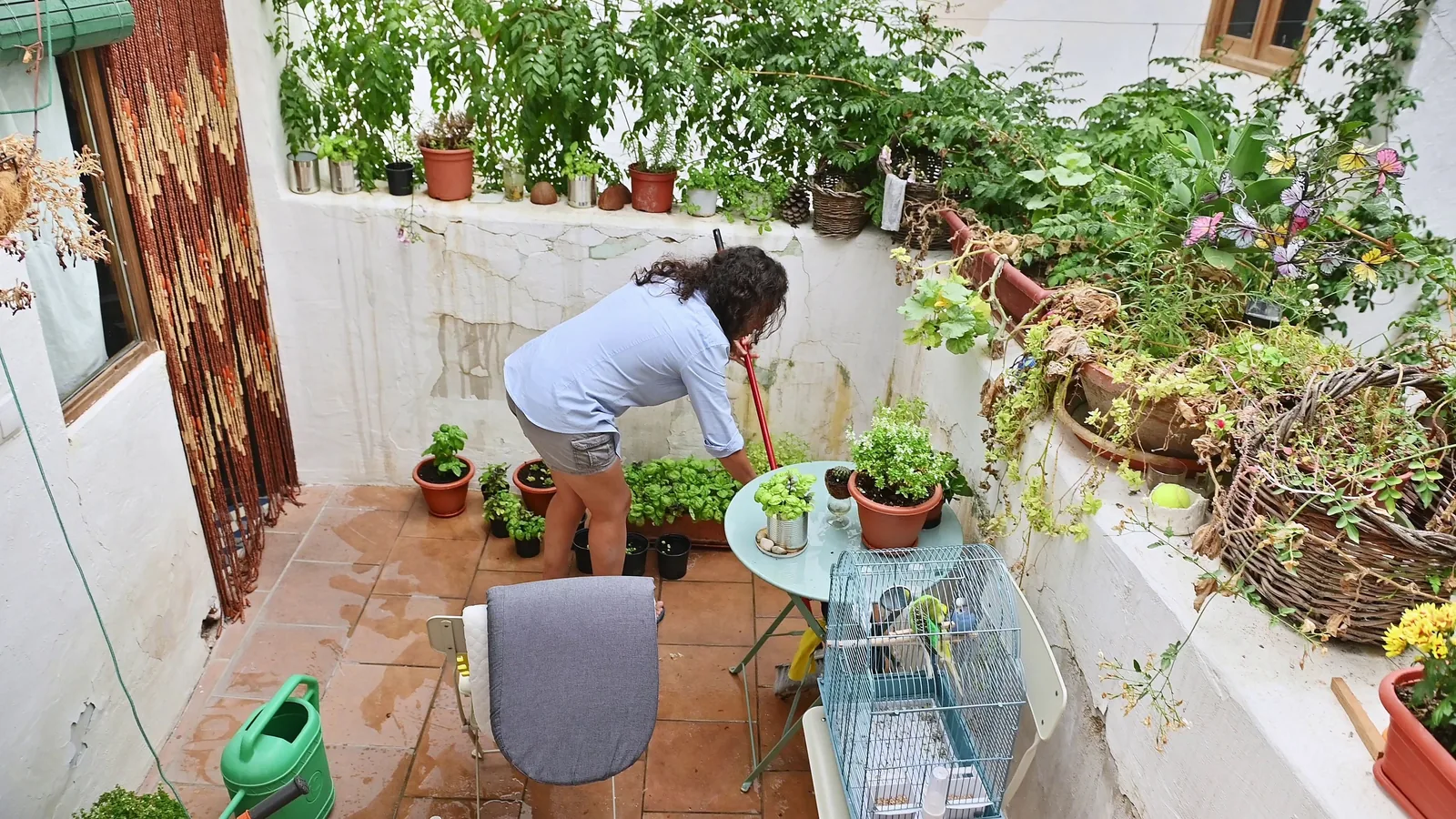
A small garden can be a delightful retreat, but it needs regular care to stay healthy and attractive. This guide provides a complete maintenance checklist, from essential tools and soil preparation to seasonal steps like watering, weeding, pruning, and pest control. It also covers troubleshooting common issues and advanced tips for continuous improvement. By following this structured approach, you'll keep your small garden vibrant and manageable throughout the year, even with limited time and space.
Fast Answer
- Focus on the basics: water deeply but less often, pull weeds weekly, and inspect plants for pests or diseases every few days.
- Create a simple schedule: spend 15 minutes each day on quick tasks like deadheading or spot-watering, and reserve a few hours on weekends for deeper chores like pruning and soil care.
Before You Start
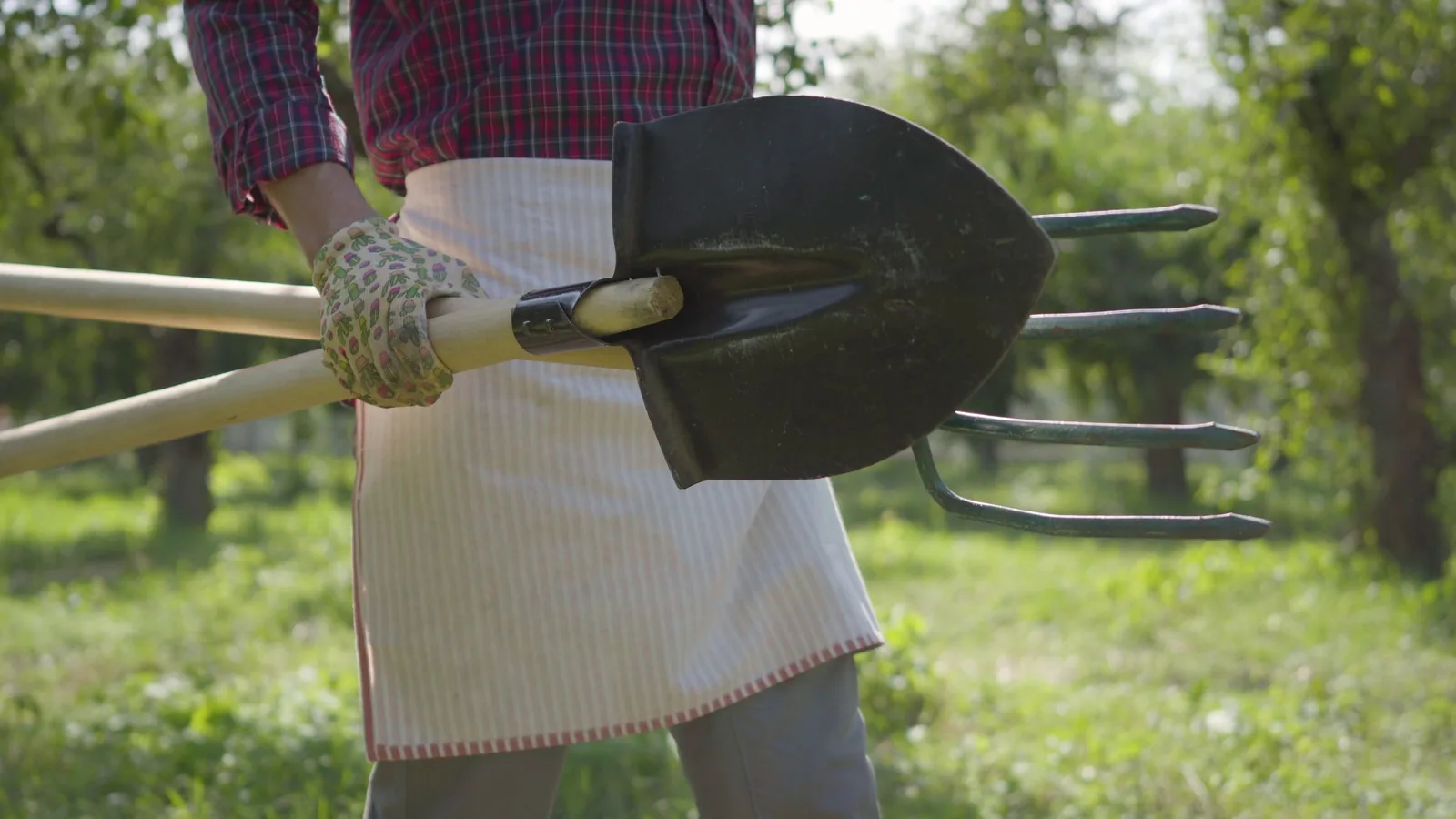
- Gather essential tools: hand trowel, pruning shears, garden fork, gloves, watering can or hose with a spray nozzle, and a small rake.
- Test your soil: buy a simple DIY soil test kit to check pH and nutrient levels, then amend with compost or lime as needed.
- Choose the right plants: select varieties suited to your local climate and the specific light and moisture conditions of your garden.
- Plan your layout: sketch a simple map noting sun exposure, wind patterns, and areas that tend to stay wet or dry.
Step-by-Step Instructions
Assess Your Garden's Needs
Start by inspecting your garden thoroughly. Walk around and note which areas look neglected, which plants are thriving, and which are struggling. Check for signs of pests like chewed leaves or sticky residue, and disease like spots or powdery mildew. Look at the soil moisture: is it dry, soggy, or just right? Also, examine the overall layout—are paths overgrown, are any plants crowding each other? This assessment helps you prioritize what needs attention. A quick inspection every time you enter the garden ensures that small issues don't become big problems. It also helps you learn what your garden needs at different seasons. By understanding your garden's current condition, you can target your efforts exactly where they're needed, saving time and resources.
Water Deeply and Consistently
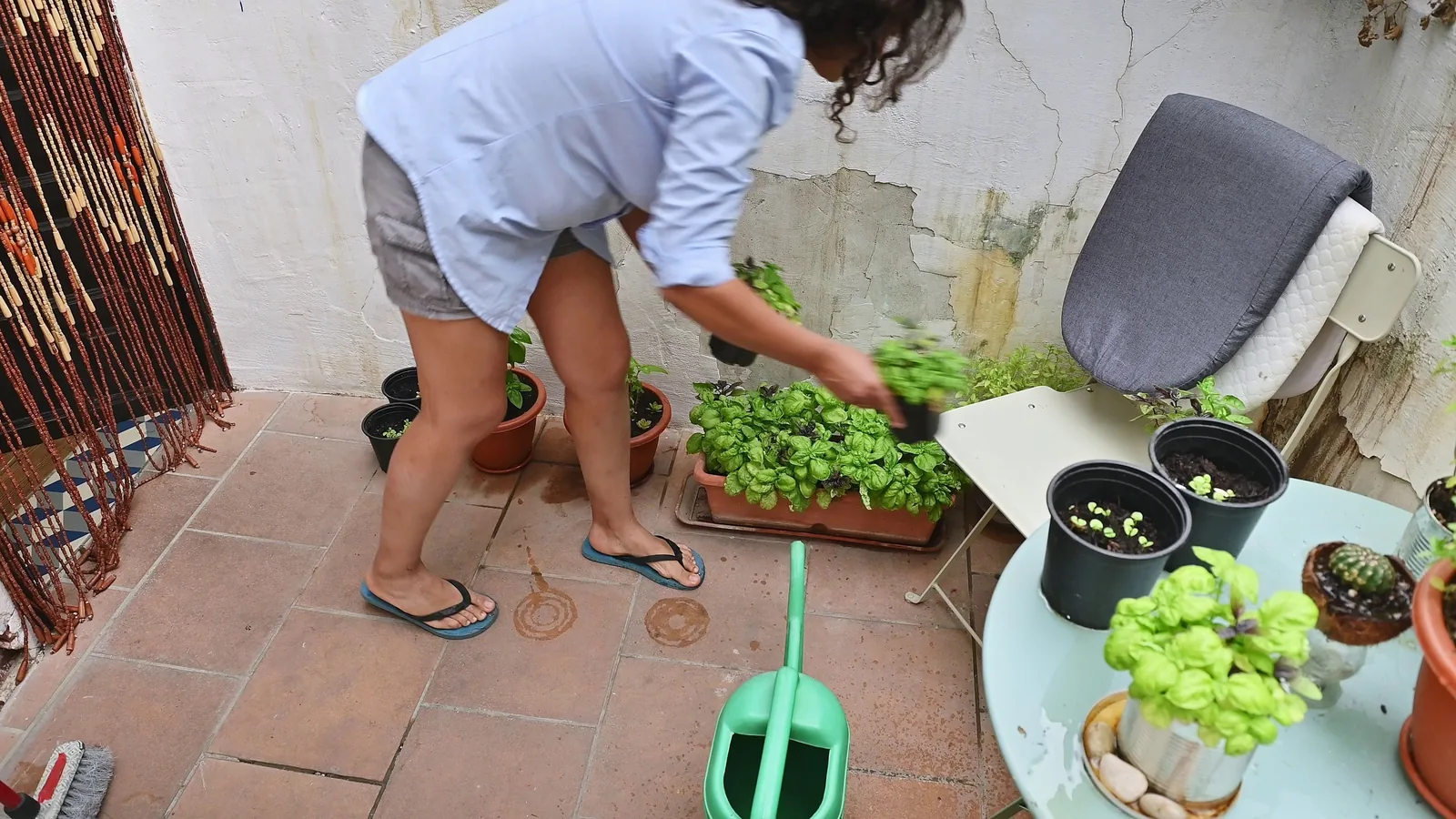
Proper watering is crucial. Most garden plants prefer deep, less frequent watering to encourage deep roots, rather than shallow daily splashes. Check the soil moisture by sticking your finger an inch into the soil; if it feels dry, it's time to water. Use a watering can or hose with a gentle spray, focusing on the base of the plants to avoid wetting the leaves, which can invite disease. Water early in the morning to reduce evaporation and give plants time to dry before evening. For potted plants, water until it runs out of the drainage holes. Adjust your schedule based on rainfall and temperature—in hot, dry weather, you may need to water daily, while in cool, damp weather, every few days is enough. Consistent watering prevents stress and keeps your plants healthy.
Remove Weeds Promptly
Weeds compete with your garden plants for water, nutrients, and light, so removing them regularly is essential. Pull weeds when the soil is damp, as they come out easier. Grasp the base of the weed and pull gently but firmly, ensuring you get the root to prevent regrowth. Use a hand fork or dandelion digger for stubborn taproots. Dispose of weeds in a compost bin if they haven't gone to seed; otherwise, throw them in the trash. Make it a routine: spend five minutes each day pulling a few weeds, or set a weekly weeding session. This prevents weeds from spreading and reduces your workload over time. Also, consider applying a layer of mulch to suppress new weed growth while retaining soil moisture.
Prune and Deadhead Regularly
Pruning removes dead, damaged, or overgrown branches, promoting healthy growth and improving airflow. Using clean, sharp pruning shears, make cuts at a 45-degree angle just above a leaf node or bud. Deadheading—removing spent flowers—encourages many plants to bloom again. For shrubs and trees, the best time to prune is typically in late winter or early spring before new growth begins, but always check your specific plants. Remove any branches that cross or rub together, and thin out dense centers to let light in. Regular pruning keeps your garden tidy and prevents diseases. For flowering perennials, cut back stems to the base after they finish blooming to stimulate fresh growth. Always dispose of pruned material properly, especially if it's diseased—don't compost it.
Feed and Nourish the Soil
Plants need nutrients to grow strong. Start by adding a layer of compost or well-rotted manure to your soil each year—spread it around the base of plants, but not directly on stems. For container plants, use a balanced, slow-release fertilizer according to package directions. Avoid over-fertilizing, as this can burn roots and harm beneficial soil life. Test your soil every couple of years to see if it needs specific amendments like lime to raise pH or sulfur to lower it. A healthy soil structure with good organic matter holds water and nutrients better, reducing the need for frequent feeding. Also, consider using liquid seaweed or compost tea as a gentle boost. Remember, feeding the soil is more important than feeding the plant directly—healthy soil grows healthy plants.
Monitor Pests and Diseases
Regular monitoring is key to catching pest and disease problems early. Inspect leaves, stems, and the undersides of leaves for signs like holes, discoloration, sticky honeydew, or fine webbing. If you spot a few aphids or caterpillars, simply pick them off by hand and squish them or drop them into soapy water. For bigger infestations, try spraying with a strong jet of water to dislodge the pests, or use insecticidal soap according to label instructions. Remove and dispose of any badly infected plant parts to prevent spread. Consider planting companion flowers like marigolds to deter pests naturally. Early intervention is effective and reduces the need for harsher chemicals. Always follow integrated pest management principles: tolerate harmless insects, encourage beneficial predators, and use targeted treatments only as a last resort.
Quick Reference
| Situation | Action | Why it helps |
|---|---|---|
| You notice yellow leaves on your tomato plants, especially lower ones. | Check the soil moisture; if it's wet, reduce watering. If dry, increase watering. Also, inspect for nitrogen deficiency and apply compost tea. | Yellowing leaves often indicate watering stress or nutrient imbalance; adjusting these conditions can restore plant health. |
| Weeds are popping up between paving stones in your small patio garden. | Pour boiling water over them, let sit for a minute, then pull them out with a weeding knife. Alternatively, apply a vinegar-based herbicide. | Boiling water kills weeds without toxic residue, and removing the roots prevents regrowth. |
| Your potted plants dry out too quickly during hot summer afternoons. | Move pots to a shadier spot, group them together, and use a saucer with water and pebbles to create a humid microclimate. | Shade and moisture retention reduce water loss, keeping plants hydrated and reducing the frequency of watering. |
Common Issues
- Powdery mildew appears on leaves of your squash and roses.: Remove affected leaves immediately, improve air circulation by thinning out growth, and spray with a mixture of one part milk to nine parts water weekly.
- Your garden soil is compacted and water puddles on the surface after rain.: Use a garden fork to aerate the soil in a crisscross pattern, add organic matter like compost to improve structure, and avoid walking on wet soil.
- Slugs and snails are feasting on your young seedlings overnight.: Handpick them in the evening when they're active, set up barriers like crushed eggshells or copper tape around plants, and avoid overwatering that creates moist hiding spots.
Advanced Tips
- Install a drip irrigation system on a timer to deliver water directly to the roots, conserving water and keeping leaves dry.
- Use companion planting to naturally repel pests and enhance growth, such as pairing basil with tomatoes to improve flavor and deter insects.
- Practice 'no-dig' gardening by layering cardboard and compost on top of soil to suppress weeds and build fertile soil without disturbing the ecosystem.
Final Checklist
- Inspect all plants for new pests or diseases, and treat any issues promptly.
- Water deeply so the soil is moist to a depth of at least 6 inches, and adjust frequency based on rainfall.
- Pull all visible weeds and apply a fresh layer of mulch to prevent future growth.
- Prune damaged branches and deadhead spent flowers to maintain shape and encourage new blooms.
FAQ
How often should I fertilize my small garden?
It depends on what you're growing and your soil quality. As a general guideline, apply a balanced slow-release fertilizer in spring and again in mid-summer. For container plants, use a liquid feed every 2-4 weeks. Always follow package instructions and avoid over-fertilizing, as too much can harm plants.
What is the best time of day to water my garden?
Early morning is ideal because it allows water to soak into the soil before the heat of the day causes evaporation. Watering in the evening can leave leaves wet overnight, increasing the risk of fungal diseases. If you must water later, aim for late afternoon, trying to keep foliage dry.
How do I know if my soil is healthy?
Healthy soil has a dark, crumbly texture, is rich with earthworms and other organisms, and holds moisture but drains well. You can do a simple squeeze test: grab a handful of damp soil; if it forms a ball that breaks apart easily when poked, it's good. A soil test kit can give detailed pH and nutrient levels.