How To Create A Small Outdoor Dining Space
A practical step-by-step guide to how to create a small outdoor dining space, including preparation, instructions, common issues, tips, and next steps.
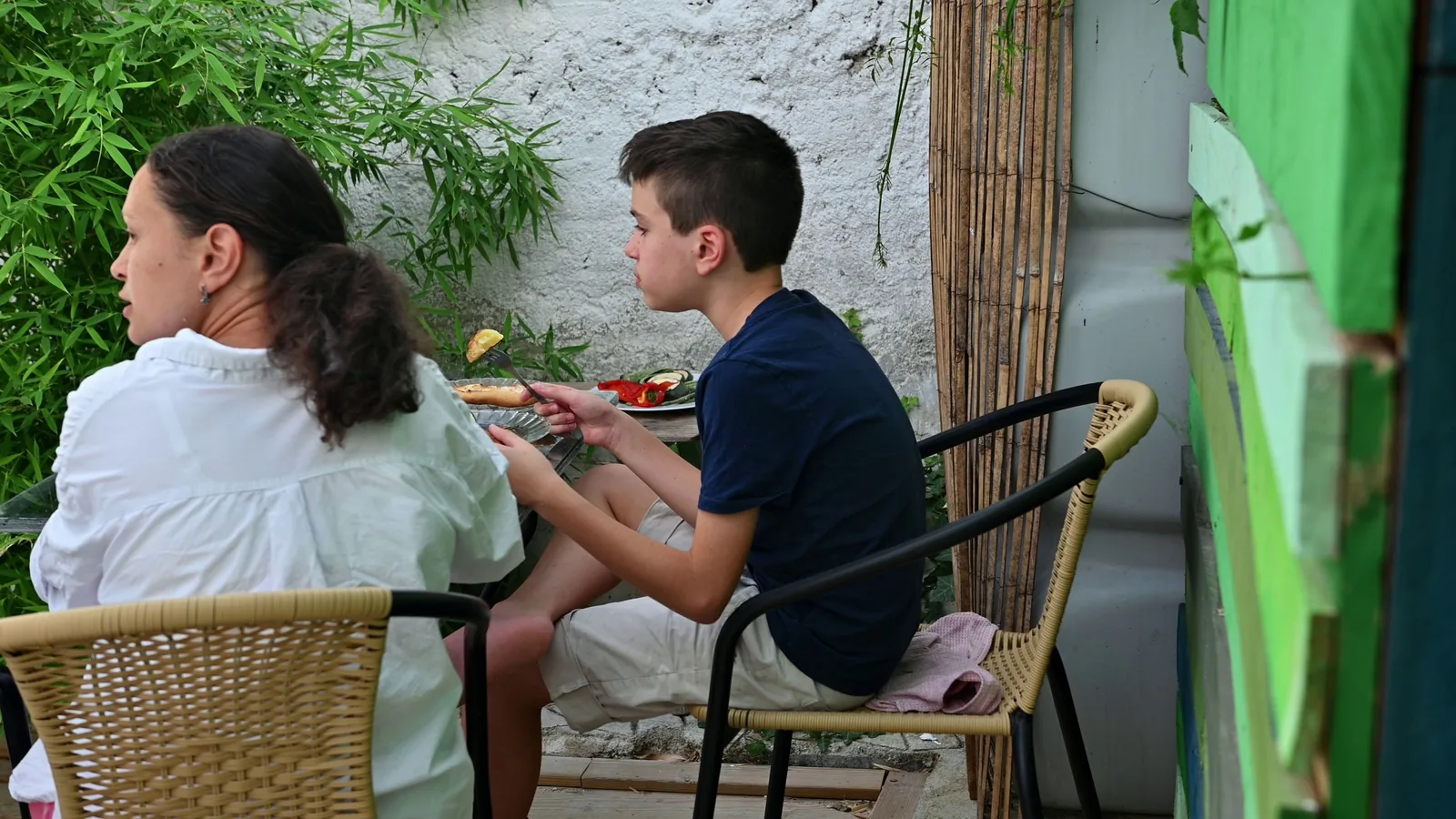
How To Create A Small Outdoor Dining Space
Creating a small outdoor dining space transforms a modest patio, balcony, or even a landing into a delightful spot for meals and conversation. With thoughtful planning, you can make the most of limited square footage while accommodating guests comfortably. This guide walks you through assessing your space, selecting furniture that fits both your needs and the weather, setting up practical surfaces and lighting, and adding personal touches that invite relaxation. You'll also learn how to solve common small-space challenges and keep your area ready for use. The goal is a functional, inviting dining nook that feels larger than it is and supports many enjoyable meals outdoors.
Fast Answer
- Measure your available area and note door swings, walkways, and sun exposure so you can choose furniture that fits and functions well.
- Pick a compact table and stackable or folding chairs, then add a weatherproof rug, ambient lighting, and a few plants to define the space and create comfort.
Before You Start
- Use a tape measure to record the length and width of the space, and also measure doorways and any stairs that lead to it so you know what can be carried through.
- Sketch a simple floor plan on graph paper including existing features like railings, posts, or permanent grills; mark sunny and shady spots throughout the day.
- Decide how many people you typically want to seat and whether you need to store furniture when not in use, which influences your choice of table size and chair style.
- Gather a few basic tools: a level, a drill (if you'll mount anything), a broom, and some outdoor-safe cushion or fabric cleaner for later maintenance.
Step-by-Step Instructions
Assess and Measure the Area
Start by measuring the full footprint of your outdoor space with a tape measure. Record the length and width, then note where doors swing open, where foot traffic flows, and where the sun hits at different times of day. This information tells you exactly how much usable floor space you have and which zones are best for seating and which for walking. For example, if your patio is 10 feet by 12 feet, you might only have an 8 by 10 area after clearing door clearance and a natural path from the house to the yard. Use painter's tape on the ground to outline the dining zone you envision, including about 36 inches around the table for chairs to slide out and people to move. This visual and physical check prevents you from buying a table that's too wide or a chair that blocks a walkway.
Choose the Right Furniture
Select a table and chairs that match the space you measured. For a small area, a round or square table often fits better than a long rectangle, because you can squeeze extra seats around a circle without making the layout feel crowded. Look for tables with drop-leaf sides or folding legs that can be tucked away when not in use. Choose chairs that are lightweight yet sturdy, preferably stackable or foldable so they can be stored easily. Consider the material's durability: powder-coated aluminum resists rust, synthetic wicker handles sun and rain, and teak ages gracefully, but each requires care. Test the ergonomics by sitting at the table; your knees should not bump the underside, and you should be able to reach the table comfortably. Always check the manufacturer's recommended clearances to ensure you leave enough room to push chairs back and walk around the table without squeezing.
Plan for Dining Comfort
Arrange your table so that it's closest to the kitchen or indoor serving area, making it easier to carry dishes and drinks. Place the table on a level surface, using shims if needed to avoid wobbling. Think about sunlight and wind: if your spot is windy, position the table against a wall or fence, or use a heavy umbrella that can be weighted. Ensure you have enough room for everyone to sit and move: at least 30 inches from the table edge to a wall or railing is a common guideline. Test the setup by walking around it as you would during a meal, pretending to serve plates and pass dishes. This trial run reveals bottlenecks where people might bump chairs or trip. If you have a grilling area, leave a clear path between the grill and the table so you can safely serve food.
Add Functional Surfaces
A small space needs more than just a dining table; add a side table, a narrow console, or a small bar cart to hold drinks, extra plates, or a serving bowl. Look for pieces that double as storage, like a folding tray that can be hung on a railing or a cart with wheels that you can roll indoors when not needed. Position these surfaces within arm's reach of the table but not blocking the walking path. If you have a railing, consider a clamp-on table that attaches securely. For a permanent solution, install a wall-mounted flip-down shelf that disappears when not in use. Keep these surfaces clean and dry, covering them with a waterproof box or using a weatherproof finish. This added surface reduces trips to the kitchen and keeps the dining area tidy.
Set Up Lighting and Ambience
Good lighting allows you to dine after sunset and creates a cozy mood. Start with ambient lighting, like string lights hung above the table or a lantern placed on a side table. For task lighting, use a small clip-on spotlight that shines on the table but is glare-free. If you have an electrical outlet nearby, use an outdoor-rated extension cord that is approved for wet locations; if not, opt for battery-operated LED candles or solar lights. Remember to position lights so they don't shine directly into anyone's eyes, and keep them at least a few feet above the table for even illumination. Test the lighting at night to ensure walkways and steps are clearly visible, reducing trip hazards. Also consider adding a small portable heater or a fire pit for cool evenings, but place it at a safe distance from the table and any flammable materials.
Personalize with Textiles and Decor
Introduce personality and comfort with outdoor rugs, tablecloths, or placemats. Choose a rug that is indoor/outdoor rated so it can withstand moisture and sun exposure without fading. Make sure the rug is large enough to anchor the table and chairs but not so large that it becomes a tripping hazard; usually the front legs of chairs should stay on the rug. Add a centerpiece like a potted herb or a weatherproof vase with dried flowers, but keep it low so it doesn't obstruct conversation. Hang wind chimes or a small wall art piece if you have a fence. These personal touches make the space feel like an extension of your home. Always use weatherproof cushions and store them indoors or in a sealed box when not in use to prevent mildew.
Quick Reference
| Situation | Action | Why it helps |
|---|---|---|
| table arrives and is too wide for the measured dining zone | Measure the table's actual width and compare it to your space. If it blocks door swings or pathways, return it for a narrower model or choose a folding table. | Keeping clear pathways and door accessibility prevents injuries and ensures comfortable movement. |
| evenings become too cool for comfortable outdoor dining | Set up a portable patio heater at least 3 feet from walls or furniture, and keep it on a stable, level surface away from foot traffic. | A safe heater extends the season and keeps guests warm without presenting a fire hazard. |
| your small level surface is limited but you need more surface for serving | Install a wall-mounted drop-leaf shelf above the railing or on a vertical post, but check its weight capacity and secure it with proper hardware. | Adding a fold-down surface gives you extra prep space without occupying floor area, leaving more room for chairs. |
Common Issues
- The outdoor table and chairs wobble because the ground is uneven: Level the table by placing plastic shims under the shorter legs, or use a sturdy rubber mat designed for leveling furniture. For uneven patio stones, you can also adjust the stones if they are loose.
- Cushions and rugs become damp or moldy after rain: Clean cushions with a mild soap and water solution, rinse thoroughly, and allow to dry completely before storing indoors. Choose quick-dry fabric, and always store cushions in a water-resistant box or bring them inside when rain is expected.
- The table takes up space but guests feel cramped and can't get in and out easily: Measure the clear space around the table and increase it by at least 6 to 12 inches on the back sides. If space is tight, swap a round table for a narrower rectangular one, or use bench seating on one side that can be tucked under.
Advanced Tips
- Install a removable outdoor rug that is larger than your table footprint but small enough to roll up for cleaning; this gives a solid base and can be refreshed easily.
- Use a small folding garden bench that can double as extra seating and a side table; it's a triple-use piece that saves space.
- Place a container with easy-growing herbs like rosemary and mint near the table; they provide a pleasant scent and can be harvested for dishes.
Final Checklist
- All exterior surfaces are safe for outdoor use and can handle exposure to moisture and sun.
- There is a clear walking path around the table that is at least 30 inches wide on the main sides.
- All electrical components, if used, are marked for outdoor use and connections are protected from water.
- Cushions, rugs, and personal decor are either weatherproof or stored indoors when not in use.
FAQ
Can I use indoor furniture on my patio if I cover it?
It's not ideal, because indoor pieces often lack the water and UV resistance needed for weather exposure. They can warp, rust, or fade quickly, and cushions may absorb moisture and mildew. If you truly need to use indoor furniture, you must store it inside when not in use and use a breathable waterproof cover while it's outside, but be prepared for it to wear faster.
How do I keep bugs away from my outdoor dining table?
Start by eliminating standing water sources and keep your table clean from food spills. Use outdoor-safe candles with citronella or LED bug zappers placed away from the eating area. Also consider using mesh food covers to shield dishes, and choose yellow-tinted bug-repelling bulbs for your lights.
What is the best size table for a small balcony?
For a balcony of about 6 by 8 feet, look for a bistro table that is no more than 24 to 30 inches in diameter, paired with two compact chairs. Measure your balcony carefully, and make sure you have at least 24 inches between the edge of the table and the railing. A folding table can also be stored against a wall when you need extra floor space.