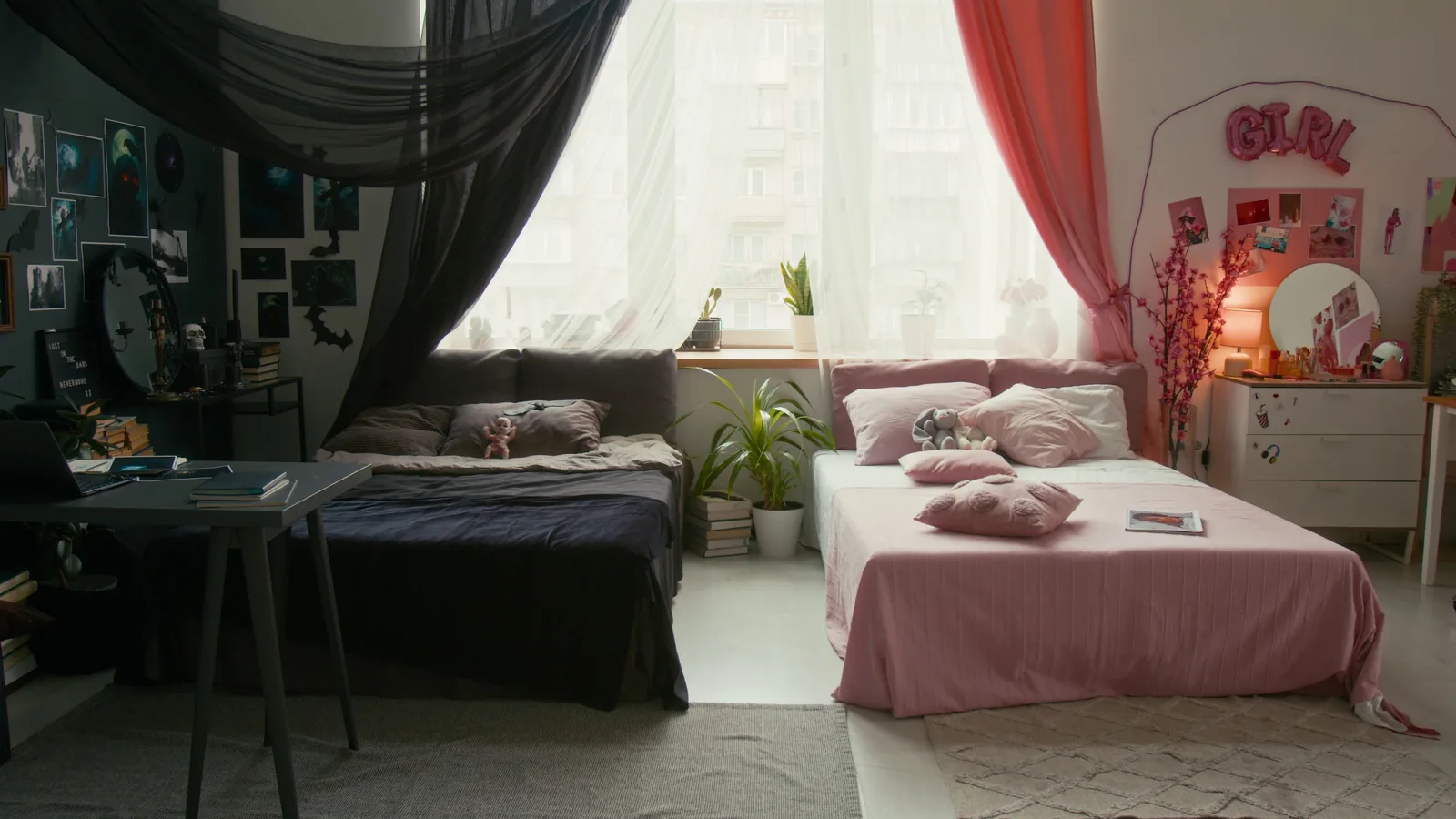
How To Arrange Furniture To Maximize Natural Light In A Room
A practical step-by-step guide to How to arrange furniture to maximize natural light in a room, including preparation, instructions, common issues, tips, and next steps.
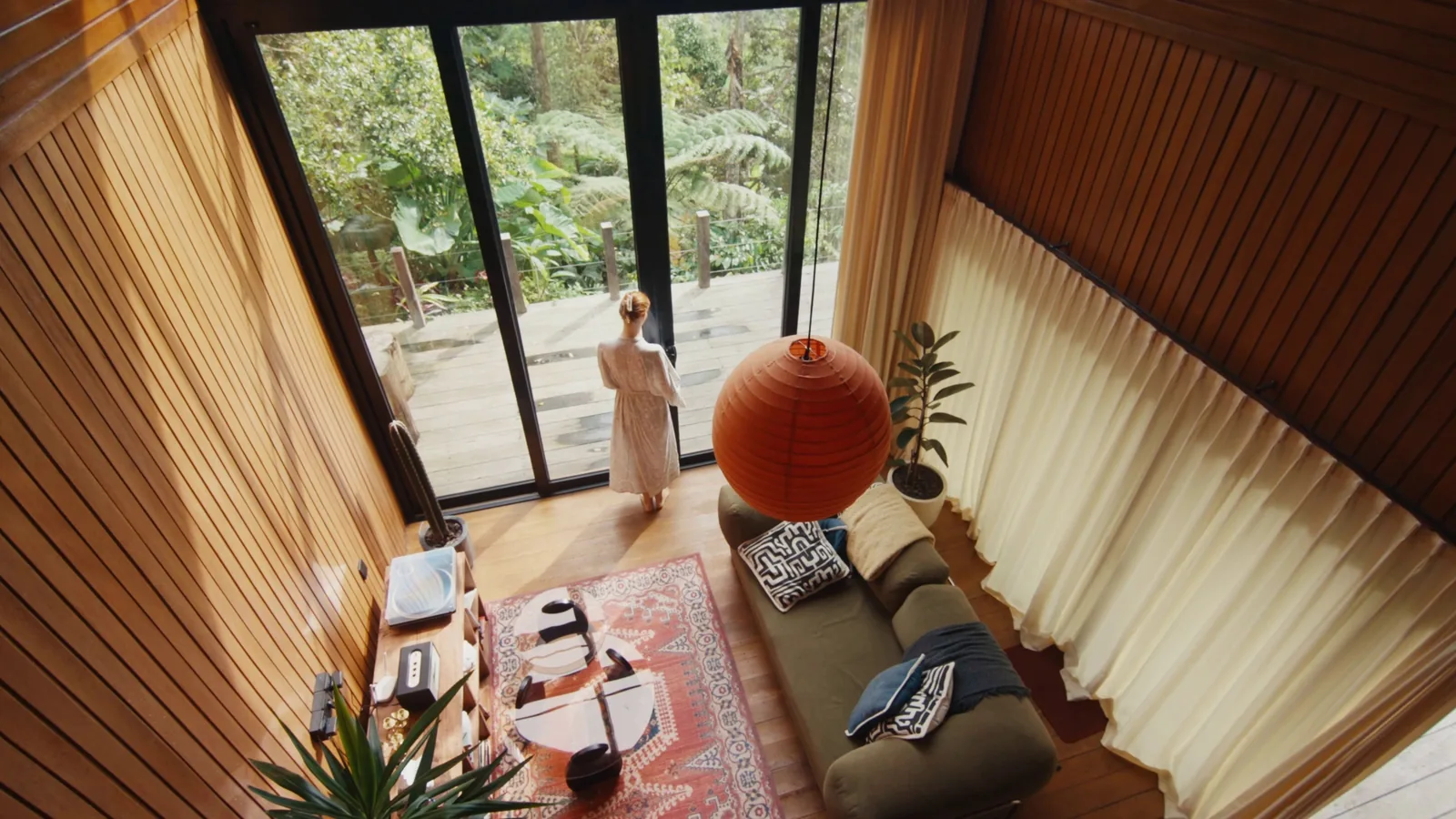
How To Arrange Furniture To Maximize Natural Light In A Room
Natural light is one of the most valuable features a room can have, yet heavy furniture, dark walls, and poor placement can block it before it ever reaches your living space. This guide explains how to arrange furniture so daylight travels deeper into a room, how to use mirrors and reflective surfaces to bounce light around, and how to keep walking paths and window zones clear. You will learn a sensible order of work, from measuring light patterns to choosing low-profile pieces, plus practical checks that show whether your layout is actually helping during the brightest and dimmest hours of the day.
Fast Answer
- Float seating away from windows and keep tall pieces on walls that receive the least daylight so the brightest surfaces stay open.
- Use mirrors, light-toned fabrics, and sheer window layers to bounce and soften daylight rather than blocking it with heavy furniture.
Before You Start
- Track how sunlight moves through the room across a full day, noting which hours each wall and corner receives direct or indirect light.
- Measure window width, sill height, and the floor space within roughly one metre of the glass so you know your true clear zone.
- List every large piece you plan to keep, including sofas, bookcases, desks, and wardrobes, and note its height and depth.
- Gather a tape measure, floor plan sketch, removable tape, and a camera so you can test layouts without moving heavy items twice.
Step-by-Step Instructions
Map the daylight before you move anything
Start by observing the room across one full day. Note when sunlight lands directly on the floor, when it shifts to indirect brightness, and which corners stay dim even at midday. Mark these zones on a simple floor plan using light pencil shading. This order matters because furniture decisions made from guesswork often block the brightest hours without anyone noticing. Your practical check is to stand where you plan to place each major piece at three times of day, morning, midday, and late afternoon, and confirm the piece would not cast a shadow over the main seating or working area. That check matters because a layout that looks bright at noon can feel gloomy by four o'clock, and only direct observation reveals the difference. Write down the single brightest wall and the single darkest wall, since these two facts will guide every later choice about where tall furniture should live.
Clear the window zone completely
Pull everything back from the glass so light can enter without obstruction. Aim for a clear band of floor roughly one metre deep in front of each window, and remove tall items, stacked boxes, and wide plants from that strip. Move low benches or slim consoles only if they stay below the sill line. The sensible order is to clear first and arrange second, because you cannot judge a layout while obstacles remain in the light path. Your practical check is to stand at the far side of the room and look toward the window: if you can see the full shape of the glass and the sky or view beyond it, the zone is clear. That check matters because even a narrow obstruction at the centre of a window cuts the spread of daylight more than its size suggests. Once the zone is open, note how much farther light now reaches across the floor before you add anything back.
Place tall furniture on the darkest walls
Tall pieces cast the longest shadows, so they belong against walls that receive the least daylight. Move bookcases, wardrobes, tall cabinets, and art-covered panels to the dark wall you identified during your daylight survey. Keep the bright wall low and open, using only pieces that sit below the sill height of nearby windows. The order here follows naturally: once the window zone is clear, you can see which wall is truly dark and which only seemed dark because of clutter. Your practical check is to stand at the room's entrance and note whether any tall piece interrupts your sightline to the window; if it does, shift it sideways or swap it with a lower item. That check matters because sightlines and light travel together, and a blocked view usually means a blocked beam. Repeat the check near the end of the day, when low sun angles change which wall feels darkest.
Float seating instead of hugging the walls
Pulling a sofa or chairs away from the wall can feel unusual at first, but it lets daylight wrap around the seating rather than stopping at the first solid surface. Move the main sofa forward so a walking path passes behind it, and angle chairs slightly toward the window without facing it directly. The right order is to position the largest seat first, then build smaller pieces around it. Your practical check is to sit in the main seat at the brightest hour and confirm that light reaches your lap or reading surface without glaring into your eyes. That check matters because blocking a beam is wasteful, but staring straight into one is uncomfortable, and the sweet spot is usually a gentle side angle. If the room is small, a shallow float of a few centimetres still helps, and you can test it with tape marks before moving anything heavy.
Choose low, open, and light-toned pieces
When replacing or rearranging furniture, favour low backs, open legs, glass or wire tops, and light-toned fabrics that reflect rather than absorb daylight. Solid dark blocks near a window soak up light and make the room feel heavier. The order to apply this is simple: identify the pieces closest to the window and treat them first, since their colour and height affect daylight the most. Your practical check is to compare a dark, solid item with a light, open one in the same position during the brightest hour; if the open piece clearly lets more brightness reach the wall behind it, keep it there and move the solid piece deeper into the room. That check matters because the difference is often larger than people expect once they see it side by side. Even a pale throw or cushion swap can lift the overall impression without any major purchase.
Layer windows and add bounce with mirrors
Finish by softening and redirecting the daylight you have freed. Fit sheer curtains or light blinds that can be drawn to the sides completely, and place a mirror on a wall that catches the window's light and reflects it toward a dark corner. The final order matters: arrange furniture first, then treat windows, then position reflective surfaces, because a mirror aimed before the layout settles may end up reflecting the back of a cabinet. Your practical check is to stand in the darkest corner and confirm you can see a bright patch of reflected light or an unobstructed window view; if not, adjust the mirror angle or move it one wall over. That check matters because reflected daylight can double the useful brightness of a dim area without any electrical lighting. Keep window treatments operable so you can open them fully each morning.
Quick Reference
| Situation | Action | Why it helps |
|---|---|---|
| A large bookcase is standing directly beside the window and the room feels dim despite good weather outside. | Move the bookcase to the wall that receives the least daylight, then slide any remaining tall items at least a metre away from the glass so the full window shape stays visible from across the room. | Tall solid pieces near glass cast long shadows and cut the spread of daylight, while dark walls can absorb the height without costing the room its main light source. |
| The sofa faces the window directly and people complain about glare while reading during the afternoon. | Rotate the sofa so it sits at an angle to the window, with seats turned partly sideways, and add a sheer layer or light blind that can be partly drawn while leaving the centre of the glass open. | A side angle lets daylight reach laps and reading surfaces without shining straight into eyes, and a soft window layer diffuses harsh afternoon beams without shutting out brightness. |
| The darkest corner of the room stays gloomy all day, even after the main seating has been rearranged. | Place a mirror on the wall opposite the brightest window so it catches the incoming beam, then check from the dark corner that a bright reflected patch is visible and adjust the angle until it is. | A correctly aimed mirror bounces daylight into areas that direct light never reaches, lifting the whole room's brightness without adding lamps or changing furniture. |
Common Issues
- Heavy curtains stay closed through the day and the window never fully opens to the light.: Replace or reposition treatments so they stack completely to the sides, using tie-backs, wider tracks, or lighter fabric layers. Test by opening them fully at the brightest hour and confirming the entire glass area is uncovered from your main seat.
- Tall furniture lines every wall, leaving no low or open surfaces for light to travel across.: Pick one wall to carry the tall pieces and lower the rest, swapping in benches, slim consoles, or open-legged seats. Walk the room at midday and dusk to confirm shadows now fall behind seating rather than across it.
- A dark rug and dark upholstery make the floor and seats absorb daylight before it can reflect.: Introduce lighter tones through a pale rug, throws, or cushion covers, starting with the items closest to the window. Compare the same spot before and after during the brightest hour to confirm more light reaches the wall behind.
Advanced Tips
- Angle a mirror slightly downward toward the floor so it throws reflected daylight across a wider area instead of a single bright spot on the wall.
- Paint or paper the wall opposite the window in a light matte tone; matte finishes scatter daylight gently rather than creating hard reflections that strain the eyes.
- Keep the tops of low furniture clear of clutter, because a clean horizontal surface lets light skim across the room and brighten the far wall.
Final Checklist
- Stand at the room entrance at midday and at dusk, and confirm no tall piece blocks your sightline to the window from either position.
- Check that every window can be fully uncovered by its curtains or blinds and that nothing sits within one metre of the glass.
- Confirm tall furniture is grouped on the wall that receives the least daylight and low pieces sit nearest the brightest window.
- Look from the darkest corner and verify that a mirror or light surface reflects visible brightness into that area.
FAQ
Can I improve daylight without buying new furniture?
Yes. Start by clearing the window zone, floating your existing seating a little away from the walls, and grouping tall pieces on the darkest wall. Swapping dark throws and cushions for lighter ones, opening curtains fully, and aiming a mirror at the incoming beam can noticeably lift a room before you consider any purchase.
How do I stop glare while still letting light in?
Angle seating so people sit partly sideways to the window rather than facing it directly, and add a sheer layer that softens the beam while leaving the centre of the glass open. A light blind drawn partway during the brightest hours can reduce glare without darkening the whole room.
Does furniture colour really change how bright a room feels?
It does, because dark solid surfaces absorb daylight while pale and reflective ones bounce it deeper into the space. The effect is strongest for items closest to the window, so treat those first with light covers or a repositioned layout, then check the change at the brightest hour of the day.