Front Garden Planting Guide
A practical step-by-step guide to front garden planting guide, including preparation, instructions, common issues, tips, and next steps.
Front Garden Planting Guide
Planting a front garden can transform the look of your home and create a welcoming entrance. This guide helps you plan, prepare, and plant a beautiful front garden that suits your space, climate, and lifestyle. You'll learn how to assess your site, choose appropriate plants, prepare the soil, and care for your new garden. Follow these practical steps to avoid common pitfalls, save time, and enjoy a thriving garden that enhances your home's curb appeal.
Fast Answer
- Start by observing your front garden's sunlight, soil type, and drainage to choose the right plants for your specific conditions.
- Prepare the soil by clearing weeds, improving drainage, and adding compost before planting to give your plants a healthy start.
Before You Start
- Observe your garden at different times of day to note how much sun it gets, as this will determine which plants will thrive.
- Test soil drainage by digging a small hole, filling it with water, and checking how quickly it drains—this tells you if you need to improve drainage.
- Decide on a style or theme for your front garden, such as cottage, modern, or wildlife-friendly, to guide your plant choices.
- Sketch a rough layout on paper, marking where you'll place beds, paths, and any features like a tree or seating area.
Step-by-Step Instructions
Assess Your Garden's Conditions
Start by carefully observing your front garden to understand its environmental conditions. Watch how sunlight falls across the space for a full day, noting which spots receive full sun (more than 6 hours), partial shade (3 to 6 hours), or full shade (less than 3 hours). Also, check the soil type: squeeze a handful of moist soil; if it forms a sticky ball, it's clay; if it feels gritty, it's sandy; if it's dark and crumbly, it's loam. To test drainage, dig a hole about one foot deep and fill it with water. If the water drains within an hour, drainage is good; if it takes several hours or longer, you'll need to improve it. These observations are essential because plants have specific sunlight and moisture requirements. Matching your plant choices to the actual conditions prevents frustration and plant death. Write down your findings in a notebook, as you'll refer back to them when selecting plants.
Plan the Layout and Plant Selection
With your site assessment in hand, sketch a simple layout of your front garden on grid paper or a digital drawing tool. Mark the boundaries, any existing structures, and the sunny and shady areas. Decide on a focal point, such as a small tree or a colorful shrub, and arrange plants in layers: tall plants in the back or center, medium ones in the middle, and low-growing ones at the front. For a continuous display, choose plants that bloom at different times of the year. When selecting plants, consider their mature size to avoid overcrowding, and mix evergreen and deciduous plants for year-round interest. Also, think about maintenance: if you have limited time, opt for low-maintenance species. Visit a local nursery and ask for advice on plants that thrive in your region, and read plant labels carefully. Creating a plan first ensures you buy the right number of plants and place them appropriately for a cohesive design.
Clear and Prepare the Soil
Before planting, you need to clear the area of weeds, grass, and debris. Use a spade or a hoe to remove existing vegetation, digging out roots to prevent regrowth. For a large area, you might use a sod cutter, but hand removal is practical for small beds. After clearing, loosen the soil to a depth of about 12 inches using a garden fork or tiller. Break up large clumps and remove any stones or roots you uncover. If your soil test showed poor drainage, incorporate organic matter such as well-rotted compost, leaf mold, or aged manure to improve structure. Spread a 2 to 3 inch layer of compost over the bed and mix it thoroughly into the existing soil. This enriches the soil with nutrients and beneficial microbes. Level the surface with a rake. Proper soil preparation is the foundation for healthy plant growth, as it promotes strong root development and good water absorption. Never plant directly into compacted or poor soil, as it leads to stunted growth.
Choose and Buy Healthy Plants
Armed with your layout and soil test results, it's time to buy plants. At a garden center, examine plants carefully. Look for vibrant foliage, sturdy stems, and healthy roots. Gently slide a plant out of its pot to check that the roots are white or light-colored and not circling the pot excessively. Avoid plants with yellowing leaves, moldy soil, or signs of pests. Choose plants that are appropriate for your climate zone, which is listed on the plant tag. Also, consider the plant's mature size and spacing requirements. It's tempting to buy larger plants, but smaller, younger plants often establish faster and cost less. If you're buying perennials and shrubs, check that they are hardy for your area. Ask nursery staff for advice on plant varieties that do well locally. Healthy plants are more likely to survive transplanting and thrive, giving you a beautiful garden sooner and avoiding the disappointment of losing plants.
Plant with Proper Technique
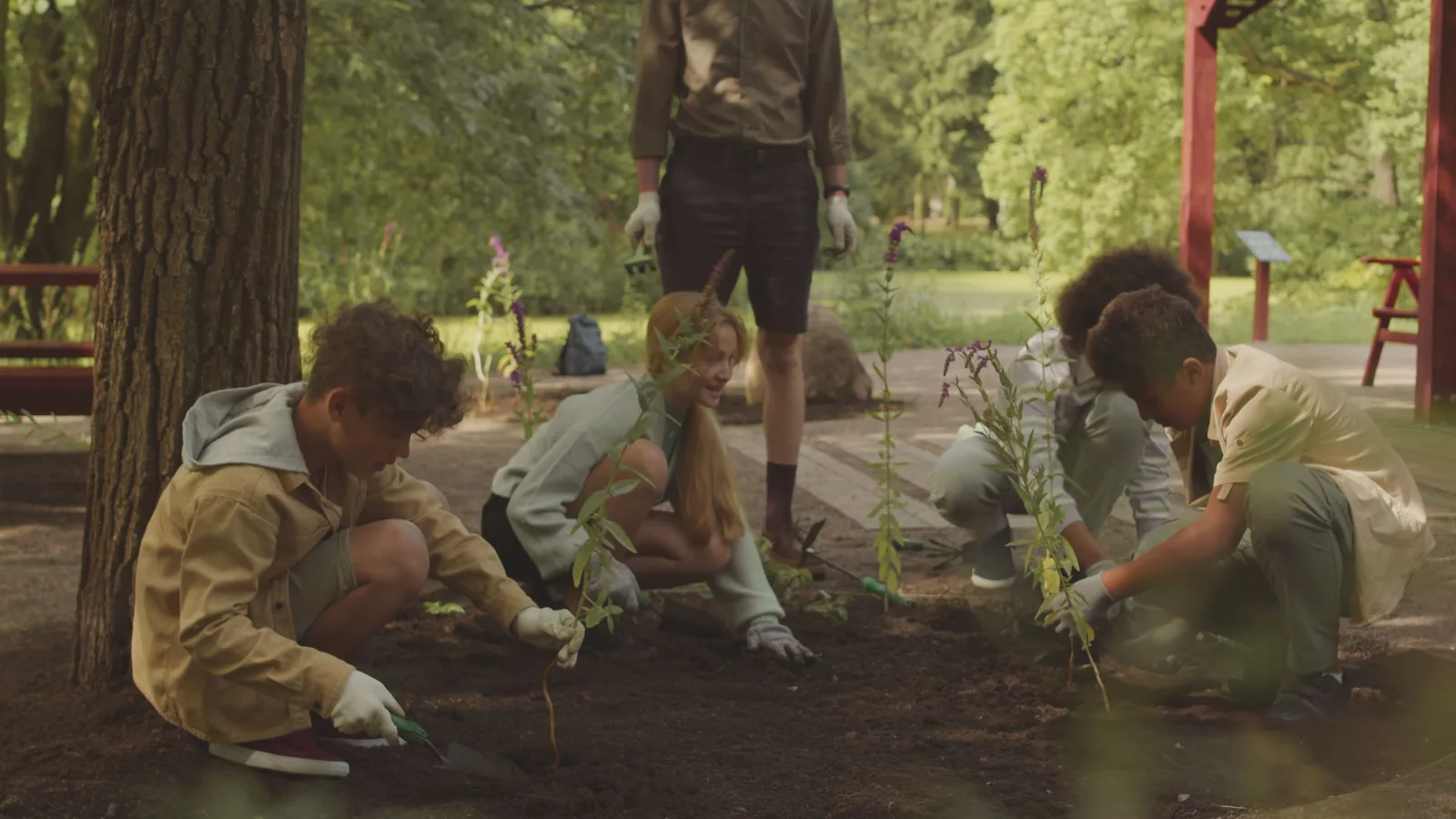
The best time to plant is on a cloudy day or in late afternoon to reduce stress on the plants. Start by laying out your plants in the garden bed according to your plan, spacing them appropriately. For each plant, dig a hole that is twice as wide as the root ball and just as deep. Place the plant in the hole so that the top of the root ball is level with the surrounding soil. Backfill with the soil you removed, gently firming it with your hands to remove air pockets. After planting, water thoroughly to settle the soil around the roots. For trees and shrubs, create a small soil basin around the base to collect water. Apply a 2 to 3 inch layer of mulch, such as wood chips or shredded bark, around each plant, but keep the mulch a few inches away from the stem to prevent rot. Proper planting sets the plant up for success, ensuring roots establish quickly and plants grow strong.
Water and Maintain Correctly
After planting, your front garden needs regular care, especially water. For the first few weeks, keep the soil consistently moist but not waterlogged. Check by sticking your finger into the soil; if it feels dry an inch below the surface, it's time to water. Water deeply and less frequently to encourage roots to grow deeper. After the establishment period, most plants will need about an inch of water per week from rainfall or irrigation. Mulch helps retain moisture, but replenish it as it decomposes. During dry spells, you may need to water more often. Additionally, keep the garden weed-free, as weeds compete for water and nutrients. Watch for pests and diseases, and remove any affected leaves or plants promptly. In the first growing season, pinch back spent flowers to encourage more blooms. Regular maintenance, including watering, weeding, and pruning, is essential for a healthy, vibrant front garden.
Quick Reference
| Situation | Action | Why it helps |
|---|---|---|
| Your front garden gets full sun all day and the soil feels very dry. | Choose drought-tolerant plants like lavender, sedum, and ornamental grasses, and add a thick layer of mulch to conserve moisture. | These plants are adapted to dry conditions, so they'll thrive with minimal watering and look good all season. |
| Your garden has poor drainage and water pools after rain. | Improve drainage by mixing in coarse sand or compost, and consider planting in raised beds or mounding soil to raise the roots above waterlogged zones. | Most plants dislike waterlogged roots, which can lead to root rot and death; improving drainage gives roots oxygen and prevents disease. |
| You have a very small front garden and want a neat, low-maintenance look. | Use a simple design with a few evergreen shrubs, a small ornamental tree, and a ground cover like creeping thyme to fill space. | Evergreens provide year-round structure, and ground covers suppress weeds, reducing the need for frequent care and creating a tidy appearance. |
Common Issues
- Plants are wilting even though you water them regularly.: Check if you're overwatering by feeling the soil; if it's soggy, reduce watering. Also ensure the soil drains well by adding organic matter or creating a slight mound above ground for planting.
- Weeds keep coming back despite your efforts to pull them.: Apply a layer of mulch 2–3 inches thick to suppress weed seeds, and consider using a pre-emergent weed preventer in spring. Pull weeds when they're small and before they set seed to reduce future growth.
- Some plants are yellowing and look sickly.: Yellow leaves often indicate nutrient deficiency, especially nitrogen. Apply a balanced slow-release fertilizer according to package instructions, and check that the pH is suitable for your plants (most prefer 6.0–7.0).
Advanced Tips
- Incorporate native plants into your front garden; they are adapted to local conditions, require less water and fertilizer, and attract beneficial pollinators.
- Use companion planting to deter pests naturally; for example, plant marigolds near vegetables to repel aphids instead of using chemical pesticides.
- Consider adding a rain garden to capture runoff from your roof; it can reduce erosion and create a beautiful, water-loving planting area.
Final Checklist
- Observed sunlight, soil, and drainage across your garden and recorded findings.
- Cleared the area of weeds and grass, and improved soil with compost and drainage amendments.
- Selected plants that match your site conditions and mature size requirements.
- Planted each plant at the correct depth, watered thoroughly, and applied a layer of mulch to retain moisture.
FAQ
How often should I water new plants in the first few weeks?
For the first two to three weeks after planting, check the soil daily. Water deeply whenever the top inch of soil feels dry, which might be every day in hot weather or every few days in cooler conditions. The goal is to keep the root ball moist but not soaked. After that, gradually reduce watering to encourage roots to grow deeper, and eventually aim for about an inch of water per week from rainfall or irrigation.
What is the best time of year to plant a front garden?
The best time is usually early spring or fall, when temperatures are moderate and there's usually more rainfall. This allows plants to establish roots without the stress of summer heat or winter frost. However, the exact timing may vary depending on your climate and the type of plants. In mild climates, you can plant year-round, but avoid planting during extreme heat or just before a hard freeze.
How much maintenance does a front garden need?
It depends on the plants you choose. A low-maintenance garden with native plants, shrubs, and ground covers might only need watering during dry spells, occasional weeding, and a yearly mulch application. More flower-heavy gardens with annuals need regular deadheading, fertilizing, and watering. Plan for at least a few hours every week during the growing season to keep it looking neat, but you can reduce this by selecting easy-care plants and using mulch to suppress weeds.